8.8-8.28
Looking back at the two interventions, I realized how important emotional value can be in building a community.
During the preparation process, for example, I worked with the collector to curate and organize the archive pieces. We also photographed the process and turned the images into a small book, which we gave to participants as a keepsake. These gestures were not simply part of the event production. They were also a way of creating a deeper emotional connection between the participants and the brand.
After the event, I collected feedback from the participants and reflected on the intervention. Overall, most people responded positively to the depth of the event. They felt that the brand should continue creating this kind of culturally meaningful and content-driven experience, rather than relying mainly on traditional social media communication.
At the same time, some participants felt that the roundtable discussion was a little too serious and too long. We originally planned for it to last around 40 minutes, but because the speakers became very engaged in the conversation, it eventually lasted around 80 minutes. This made me realize that there is still a balance to be found between the depth of the content and the overall participant experience.
This project has therefore made me realize that building a brand community is not something that can be achieved through one successful event. It is an ongoing process of building relationships, creating shared value, and continuously testing and learning. An event is simply a touchpoint. What really matters is how we use ongoing content, interaction, and shared interests to gradually turn one-time participants into members who feel a genuine sense of connection and belonging to the community.
At this stage, I also recognize that there are still areas that need further exploration. The impact of the community is currently being evaluated mainly through qualitative feedback, and I haven’t yet developed a systematic way of measuring it. We also still need to establish a channel for ongoing communication after the events.
So, in the next stage of the project, I want to explore how to institutionalize ongoing touchpoints, reciprocity, and participation, so that the brand community can move beyond a series of individual events and gradually develop into a sustainable cultural ecosystem.
8.1-8.7
After the event, I followed up with the attendees and collected their feedback. Most people responded positively and felt that this was exactly the kind of deeper, more thoughtful content that the brand needed to be creating at this stage.
At the same time, some people pointed out that the panel discussion could feel a little too serious and somewhat lengthy. That’s definitely something I need to reflect on. We originally planned for the discussion to last around 40 minutes, but because the guests were so engaged and had so many ideas to share, it ended up lasting almost 80 minutes. Looking back, I think that length could understandably feel a bit overwhelming for the audience.
At the same time, I’ve realized that the impact of the community is currently being measured mainly through qualitative observations, rather than in a systematic way. We also haven’t yet established an ongoing channel for communication, such as a WhatsApp group, so the continuity of the community beyond the events themselves has yet to be tested.
A community is built around shared interests and mutual value. This means that reciprocity is something I need to pay particular attention to. For the brand community to grow into a sustainable ecosystem, every participant needs to feel that they are gaining something from being part of it.
As a next step, I want to institutionalize these ongoing touchpoints and make reciprocity a fundamental principle within them, so that the community can continue to grow beyond individual events.
7.21-7.31
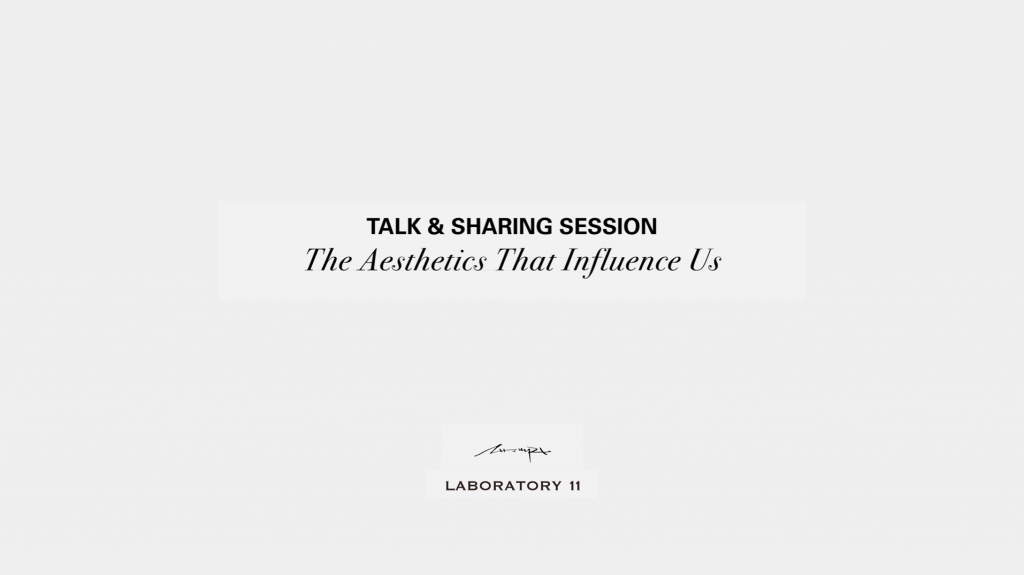
At the end of July, we organized a ten-day brand community event called “The Aesthetics That Influence Us.”
We invited two guests to participate: the founder of a fashion brand and an archive collector. I wanted to bring together these two perspectives—the professional perspective of someone working in the industry and the perspective of a passionate collector—to give the audience a more well-rounded experience.
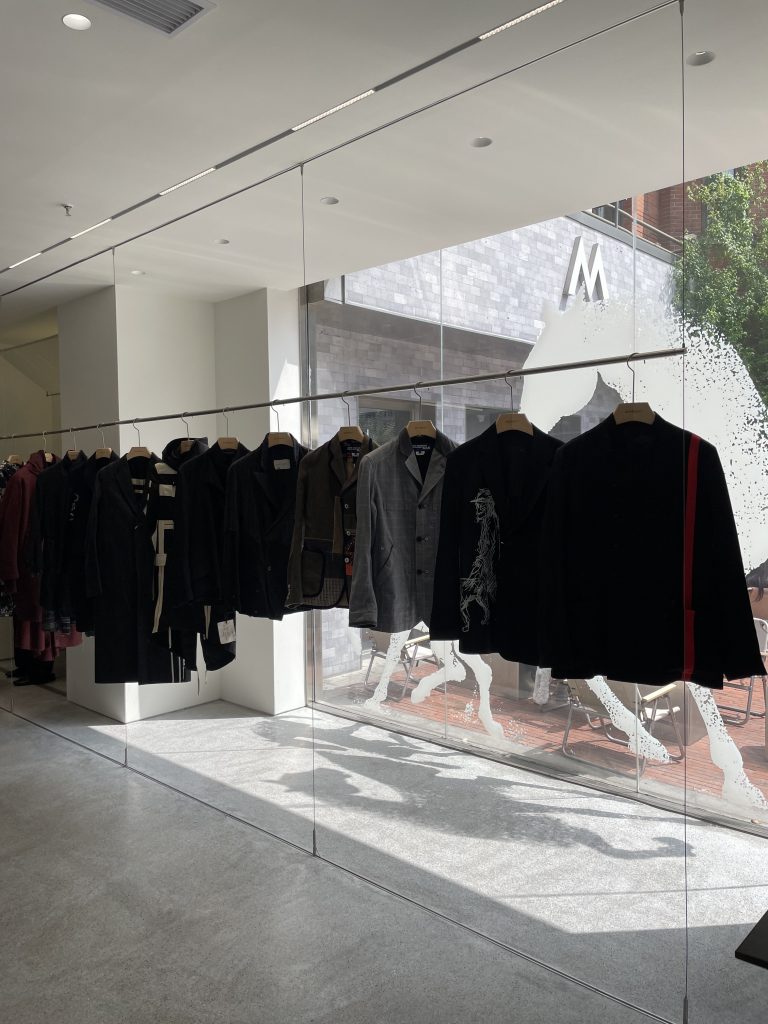
The event had two interventions: an exhibition and an offline panel discussion. The pieces featured in the exhibition came from the personal wardrobes and collections of the two guests, covering different brands. To a large extent, these pieces documented their personal journeys through fashion and culture, as well as the ideas and influences they had picked up along the way.
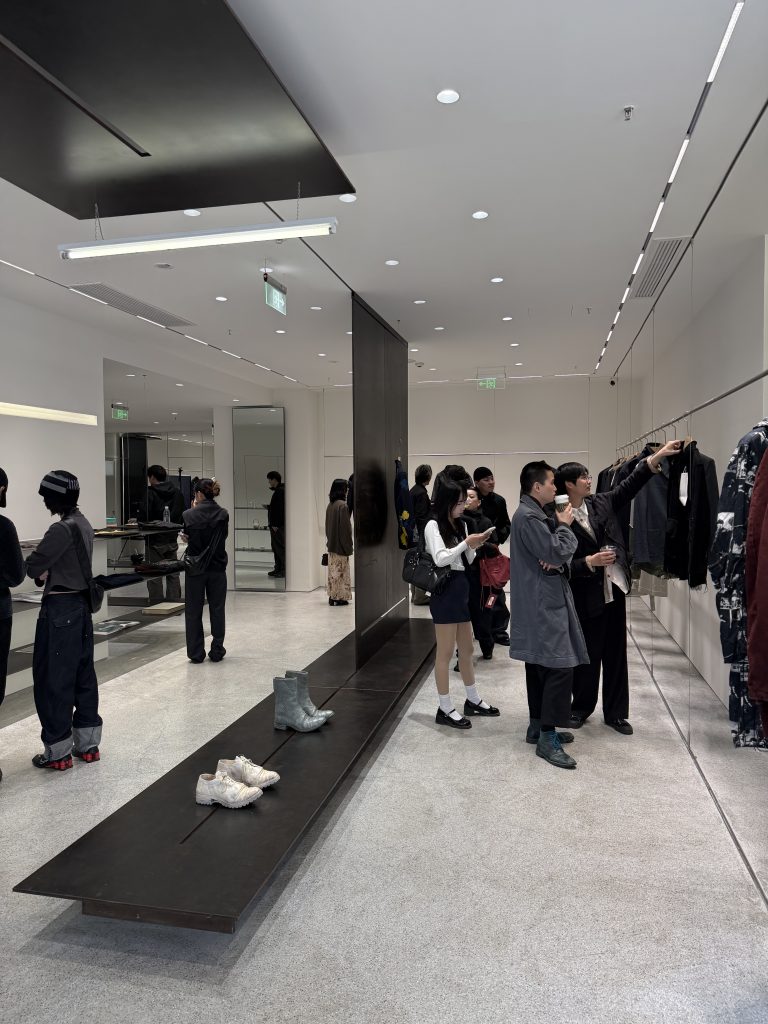
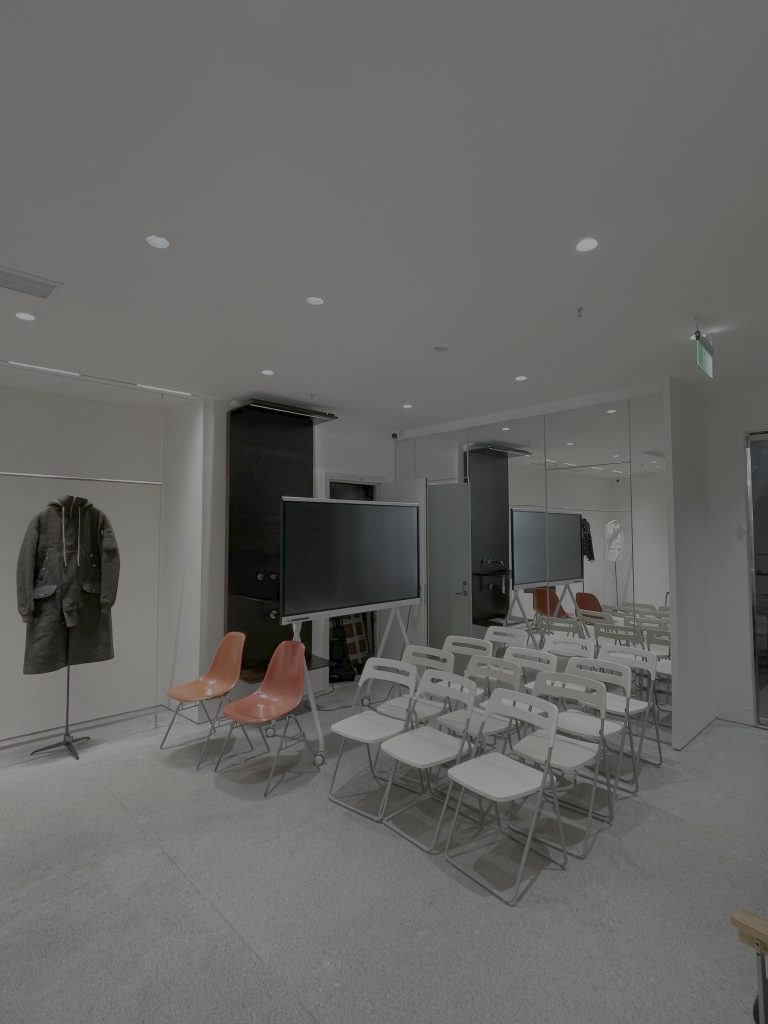
The panel discussion used these archive pieces as a starting point and brought the conversation back to the present, exploring how these iconic designs from the past had influenced the two guests and how those influences continue to resonate with fashion today.
The reason I initiated this event was because I had identified a specific need at ATTEMPT at this stage of its development. The brand is currently transitioning from an e-commerce-oriented label into a high-end designer brand, so it needs to build a stronger brand community—not only to maintain relationships with its existing customers, but also to attract more people from the wider fashion and creative industries and, ultimately, increase the overall value and positioning of the brand.
They had tried organizing offline events before, but those events hadn’t really reached the audience they were looking for. Instead, they mainly attracted social media influencers, and the content tended to lack depth.
After recognizing these issues, I proactively reached out to them. I shared my thoughts on the situation, as well as the direction of my current research, and that eventually led to this collaboration.
(Episode of Panel Discussion)
We also documented the panel discussion on video, so that the brand could use the footage for online promotion and extend the reach and exposure of the event beyond the physical space.
7.14-7.20
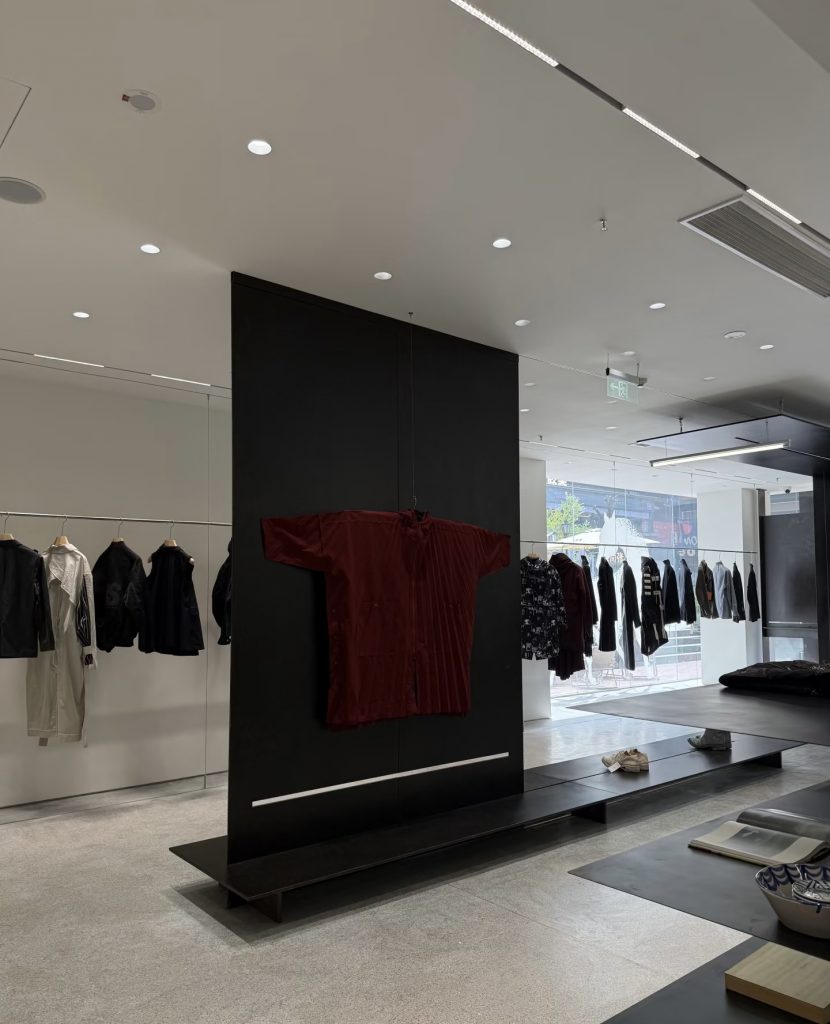
To fully bring the concept to life, we also completely reworked the visual merchandising of the brand’s physical store.
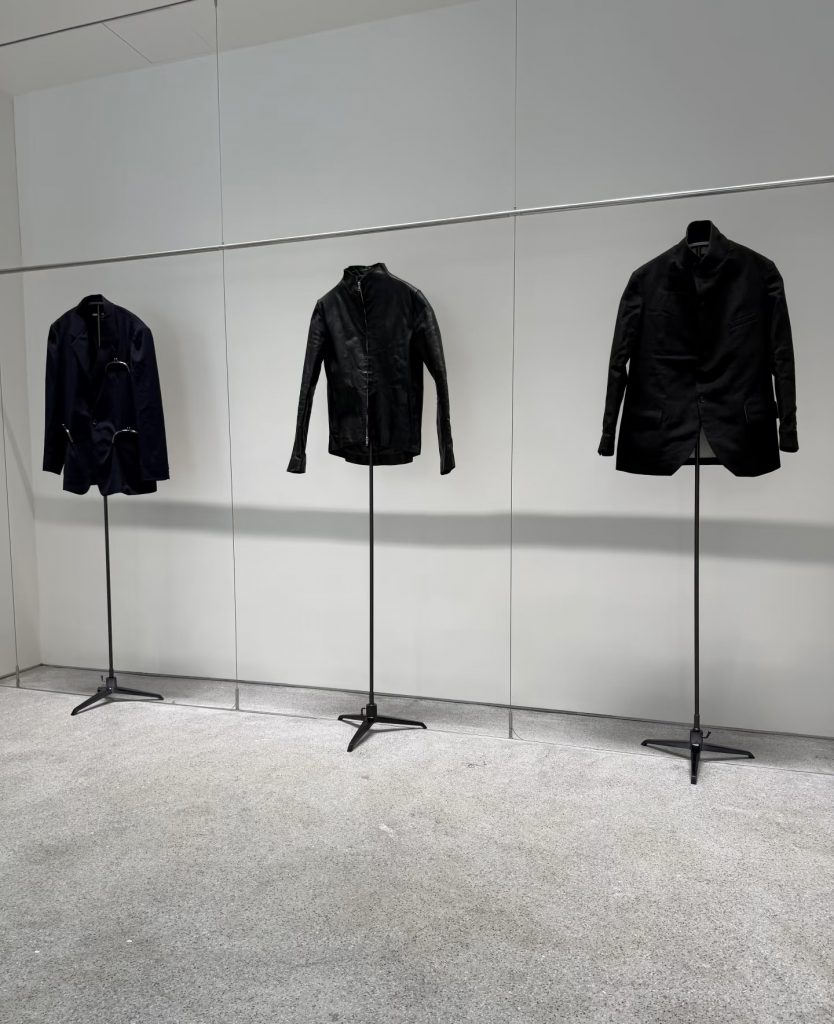
The layout and display were carefully redesigned to create an environment that reflected the theme of the event and enhanced the overall experience for our guests.
7.7-7.13
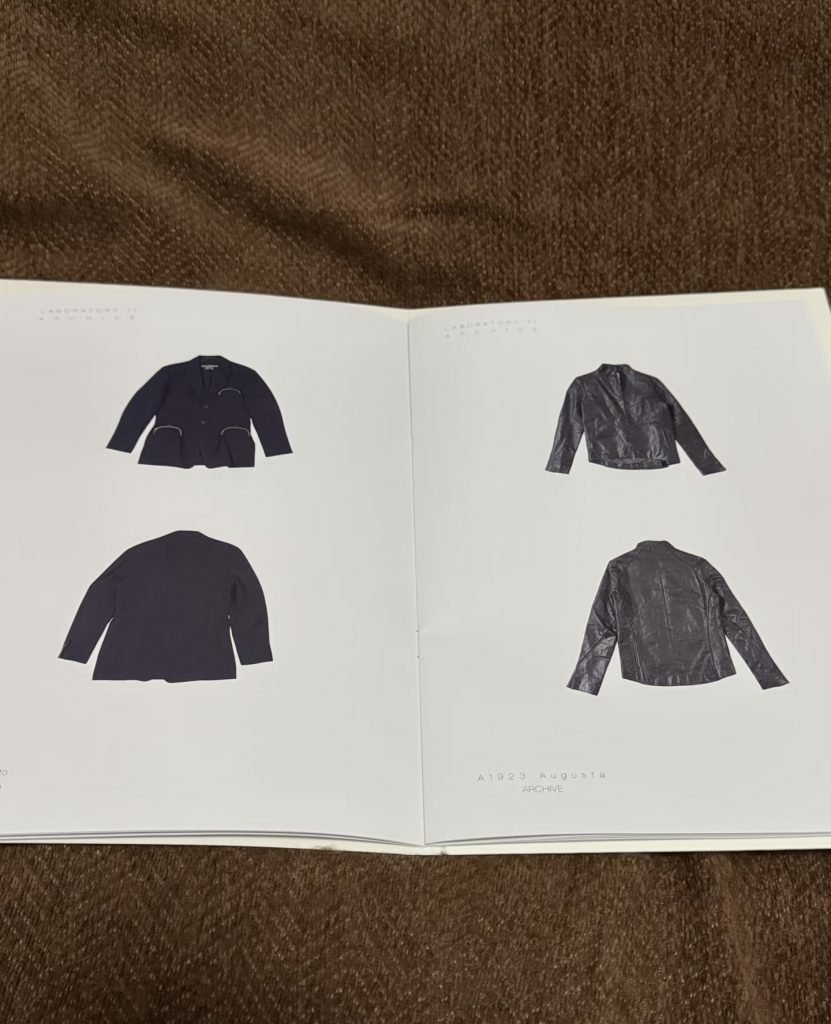
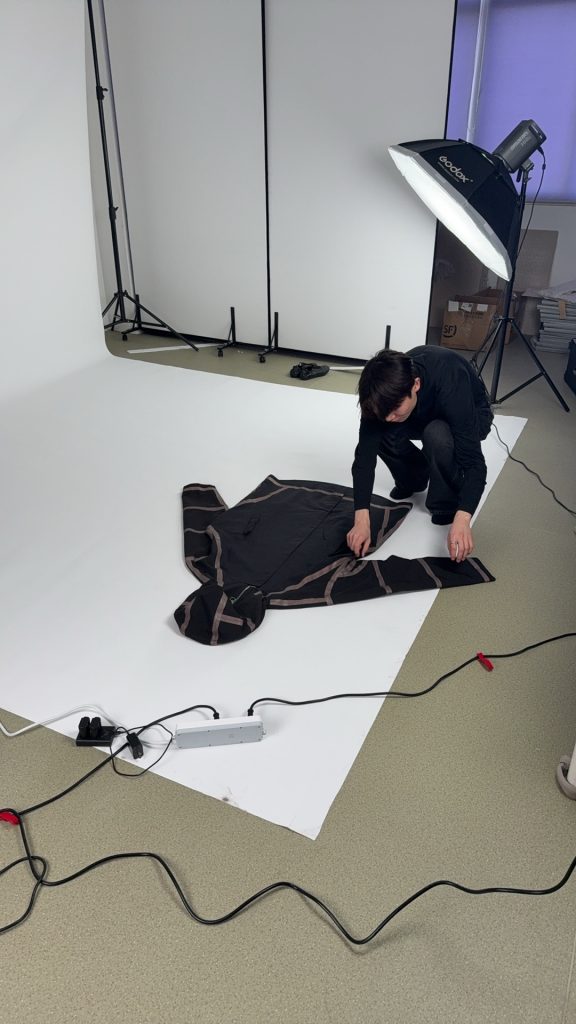
To commemorate this moment, we organised a photoshoot featuring these archive pieces and turned the images into a printed booklet, which was gifted to everyone who attended the event.
For the panel discussion, I developed the discussion framework and prepared a series of questions to guide the conversation.
The topics included:
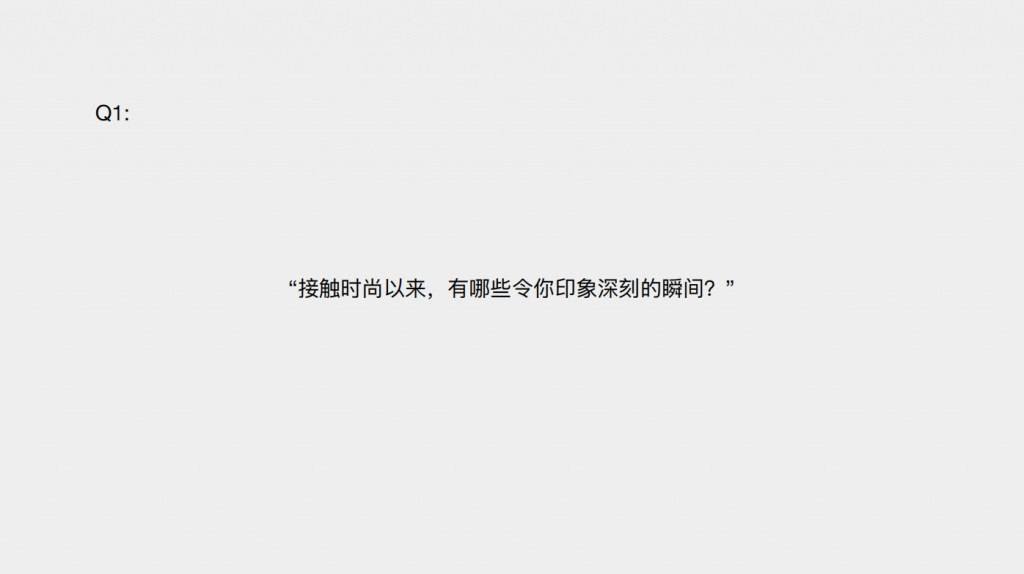
What moments have left the biggest impression on you since discovering fashion?
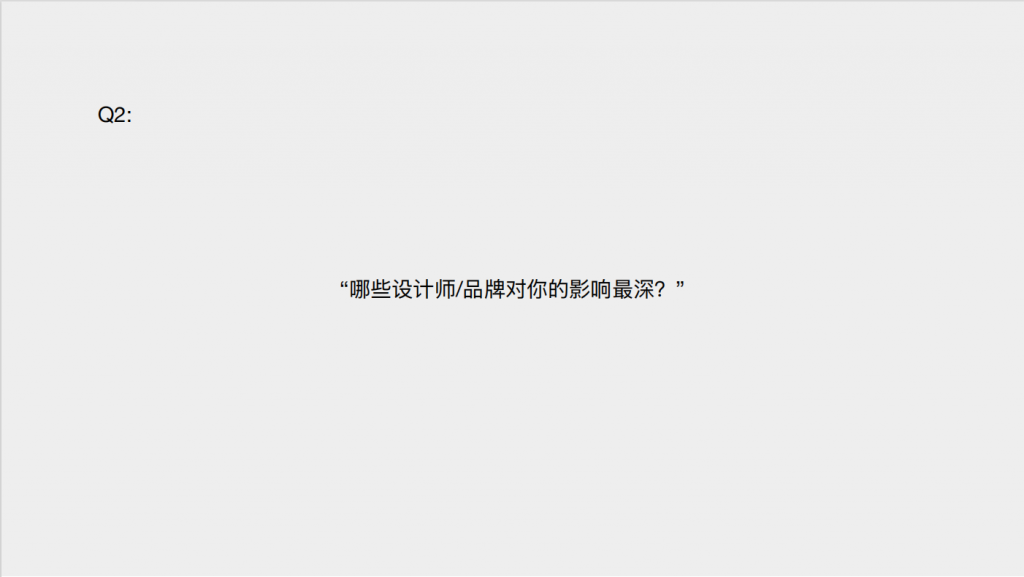
Which designers or brands have influenced you the most?
and What has fashion brought to your life?
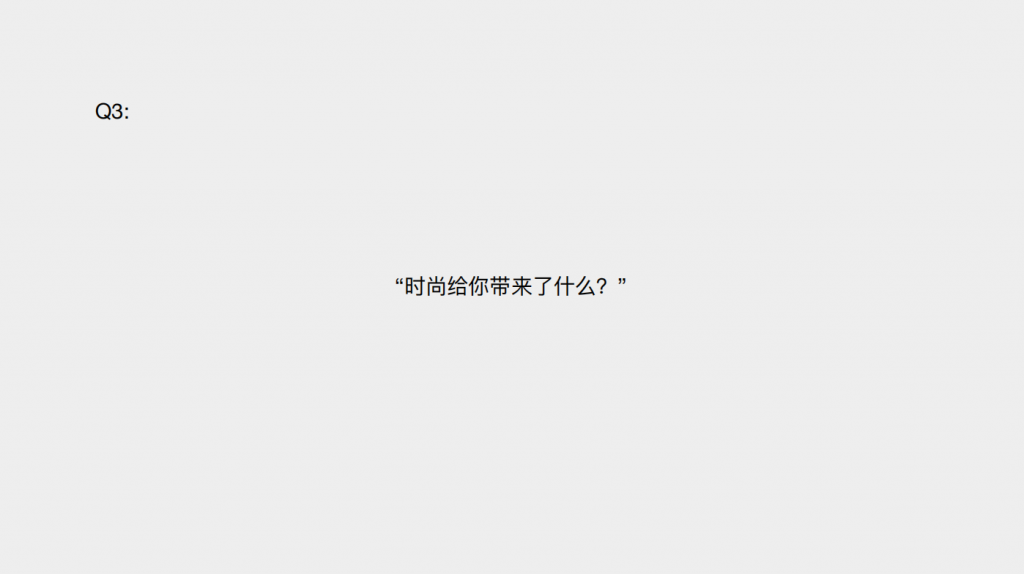
I also designed an interactive session to encourage audience participation and create a more engaging and open discussion.
This event was our first attempt at building a community around the brand, and it served as an important experiment in fostering meaningful connections with our audience. After the event, I plan to collect feedback from participants to better understand their perceptions of community culture, as well as their overall experience of the event. This feedback will help inform the development of future community initiatives.
6.30-7.6
During this time, I’ve been preparing for the community events around the brand.
We visited the home of fashion collector San Zhang Entertainment, where we came together to prepare the pieces for the exhibition.
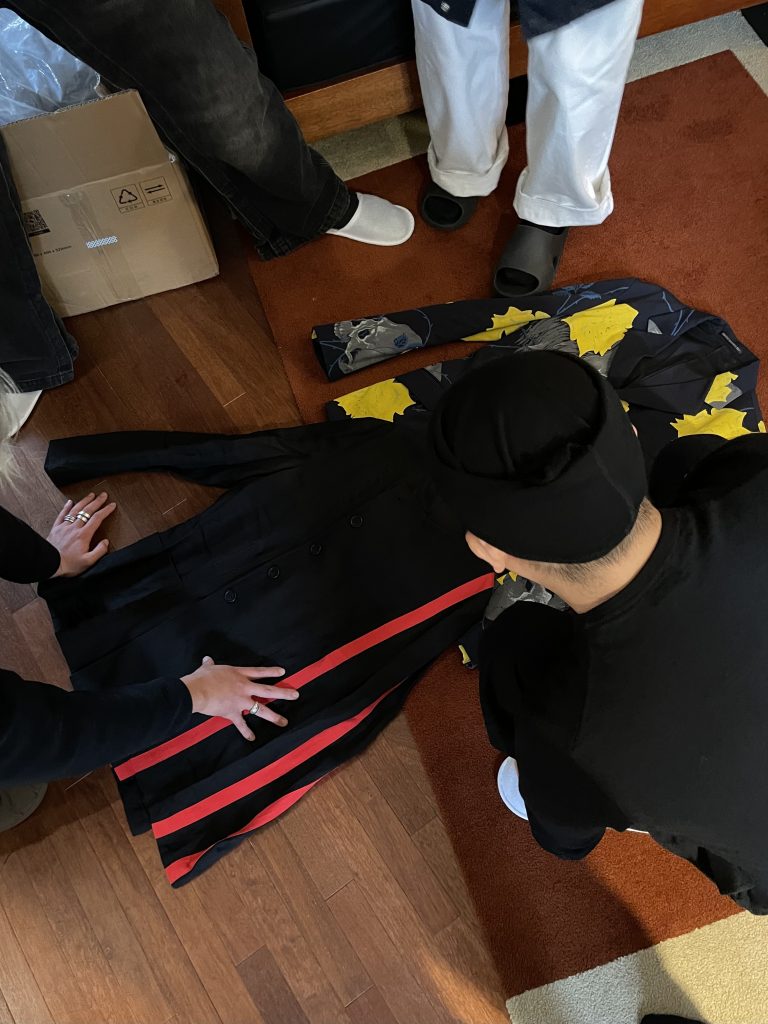
The archive pieces selected for this event are deeply meaningful to both the brand’s founder and the fashion collectors we invited. Many of these pieces played an important role in shaping their early understanding of fashion and were a source of inspiration when they first became interested in it.
To capture this moment, we shot a series of photographs documenting the preparation process and the pieces themselves, which were then printed and bound into books to be gifted to everyone who attended the event.
6.23-6.29
I’m currently contacting with ATTEMPT to help build and shape its community culture.
They’ve tried hosting a number of community events in the past, but looking at the results, a large portion of the attendees have tended to be people working in the social media and content creation space. In other words, they haven’t really been able to reach the core audience they’re actually trying to engage.
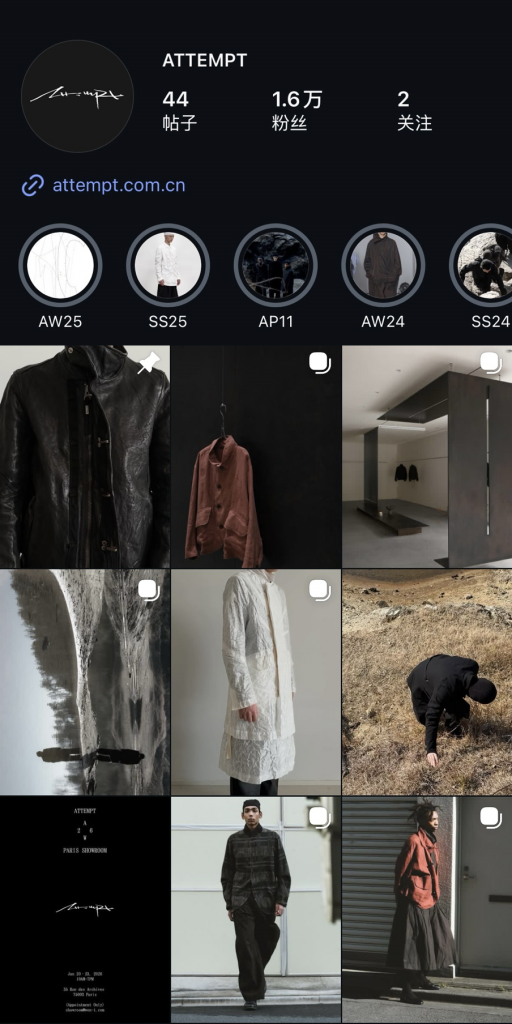
For this event, I will invite ATTEMPT’s founder, Liang Dong, alongside his friend and archive fashion collector, Sanzhuang Entertainment, to participate as guest speakers.
I’m planning two interventions to explore how community building can help cultivate a distinctive brand culture.
These will take the form of an offline roundtable discussion and a fashion archive exhibition. We’ll bring together the brand’s core consumers, fashion enthusiasts, students studying fashion-related subjects, and industry professionals to participate in and contribute to the conversations and activities.
The fashion archive exhibition will help us reach people who have a genuine interest in fashion.
Through the roundtable discussion, the brand’s founder will share the story of how ATTEMPT came to life, as well as the key inspirations and influences that have shaped the brand, offering the audience a professional perspective from within the brand.
At the same time, fashion collectors will share their own experiences from the perspective of passionate enthusiasts, giving the audience a more personal sense of what it means to truly immerse yourself in and live through a passion for fashion.
By combining these different viewpoints, the event aims to satisfy visitors’ desire for professional insight while also fostering a sense of connection through a shared love of fashion.
The discussion will also be recorded and shared across social media platforms, allowing a wider audience to engage with the conversation and understand that we are activel
6.15-6.22
This week, we had the chance to meet with some alumni from our programme. Everyone shared what they’ve been up to recently, and then we were randomly divided into small groups to talk about the progress of our current projects.
I was placed in Sam’s group, and I was really excited when I found out that she also works in marketing.
We immediately clicked and had some great discussions. I shared my project with her and told her that I was planning to organise an offline brand event. She was really interested and gave me some valuable suggestions. For example, she recommended creating a WhatsApp group to bring people together and using different types of activities to attract people from different backgrounds. She pointed out that it’s not just about hosting an event for the sake of it—it’s about building long-term brand loyalty and creating meaningful partnerships between the brand and its target audience.
That really inspired me and helped me develop a much clearer vision for my project.
On Tuesday, Richie gave us a session about imagination. He shared works by artists from different fields, and one installation really stood out to me. It invited people into a space filled with fog, creating a sense of uncertainty that encouraged deep reflection.
I also really agreed with his point about the importance of intangible progress and change. Sometimes, when we’re working on something, we need to be patient and trust the process instead of expecting immediate results.
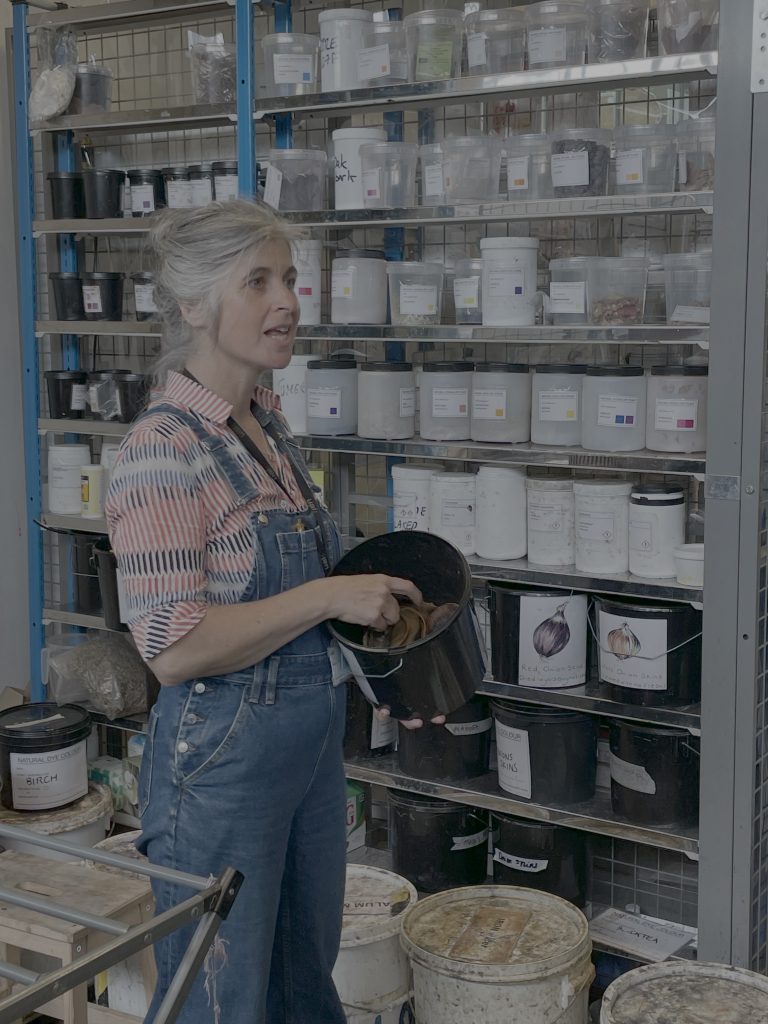
On Wednesday, we had a very different kind of class. We first visited the rooftop garden at our school, where we learned about the plants used for natural dyeing. Afterwards, we went to the dyeing studio to experiment with different colour combinations and explore the possibilities they could create.
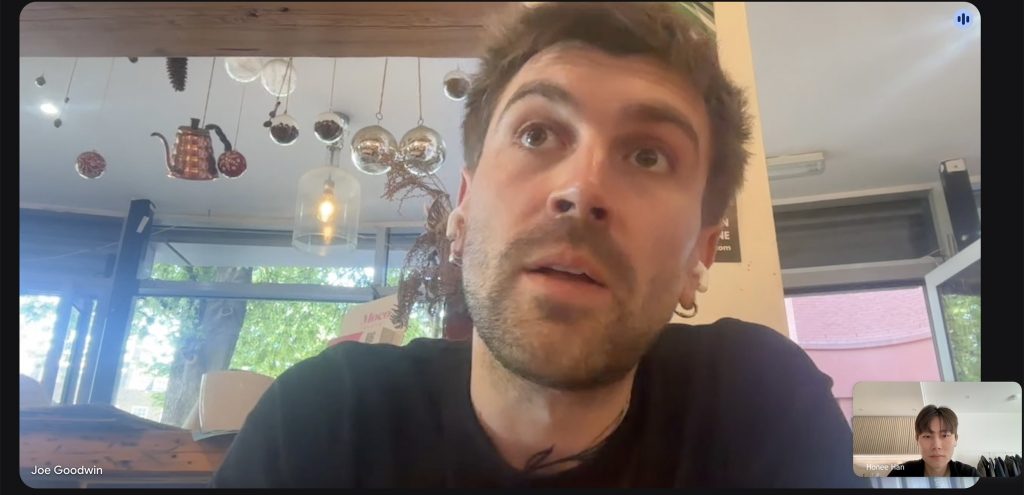
On the same day, I also connected with a stylist named Joe to explore potential collaboration opportunities for ATTEMPT in London.
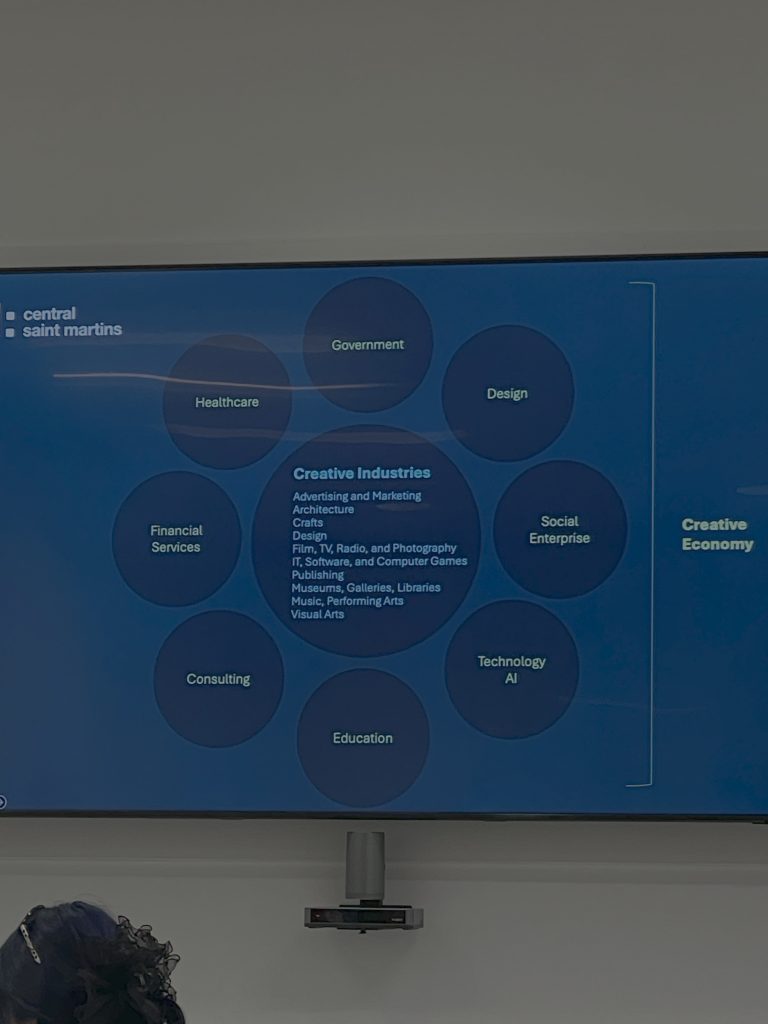
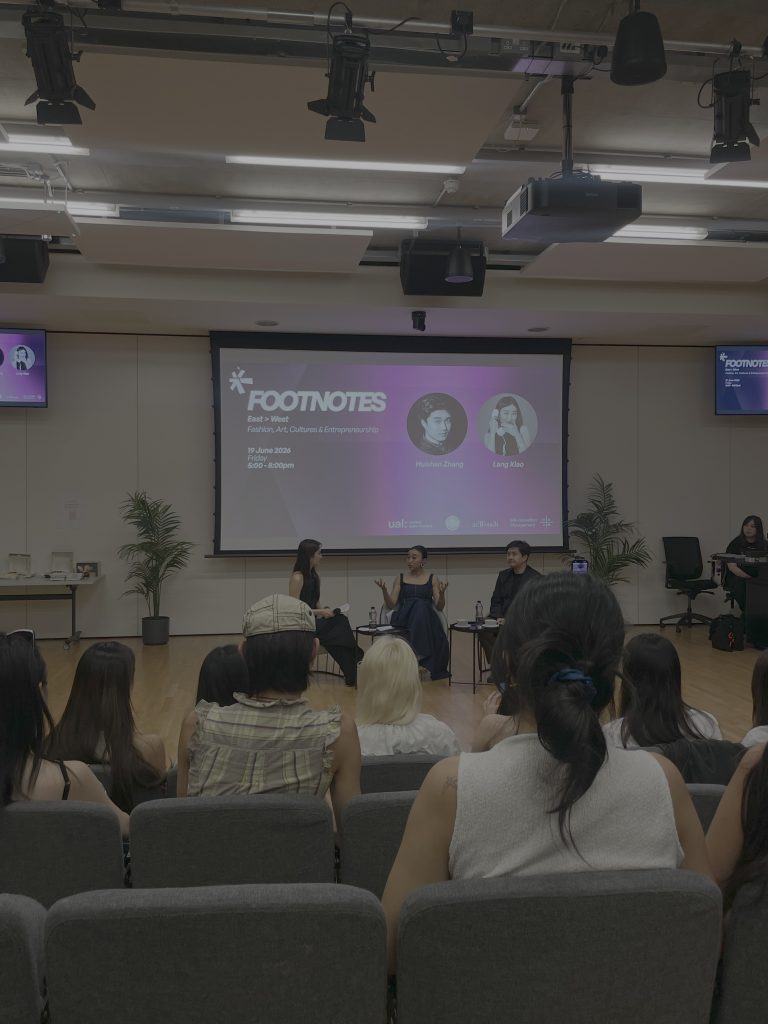
On Thursday evening, I attended a salon talk organised by the Innovation Management programme, featuring Huishan Zhang and Lang Xiao as guest speakers.
I found Lang Xiao’s talk especially inspiring. She currently works in the arts sector, acting as a bridge between different cultural markets by bringing international artworks to China for exhibitions while also helping Chinese artists and artworks reach overseas audiences. In many ways, what she does is closely connected to my own project.
She also said:
“Not just thinking about what you want, what’s your own agenda. Think about if you have any mutual interest. I think if the shared interest exists, you can leverage different kinds of resources”
That quote really resonated with me. It made me realise that, for my project to succeed, I need to create value that benefits everyone involved. Only by identifying shared interests can a brand community grow into a sustainable ecosystem.
6.8-6.14
This week, my tutor changed to Jasminka, and I had the opportunity to present my project progress and research direction to both her and my new group members.
During the discussion, I received several valuable pieces of feedback. Jasminka shared examples of community events she had participated in, which provided me with a lot of inspiration. Another classmate asked how I planned to develop the project moving forward, which prompted me to think more critically about the concrete actions needed to bring the project into reality.
On Wednesday, our class took place at Autograph Gallery, where Zuleika guided us through Of Walking on Fire, an exhibition by Vietnamese-French artist Nhu Xuan Hua.
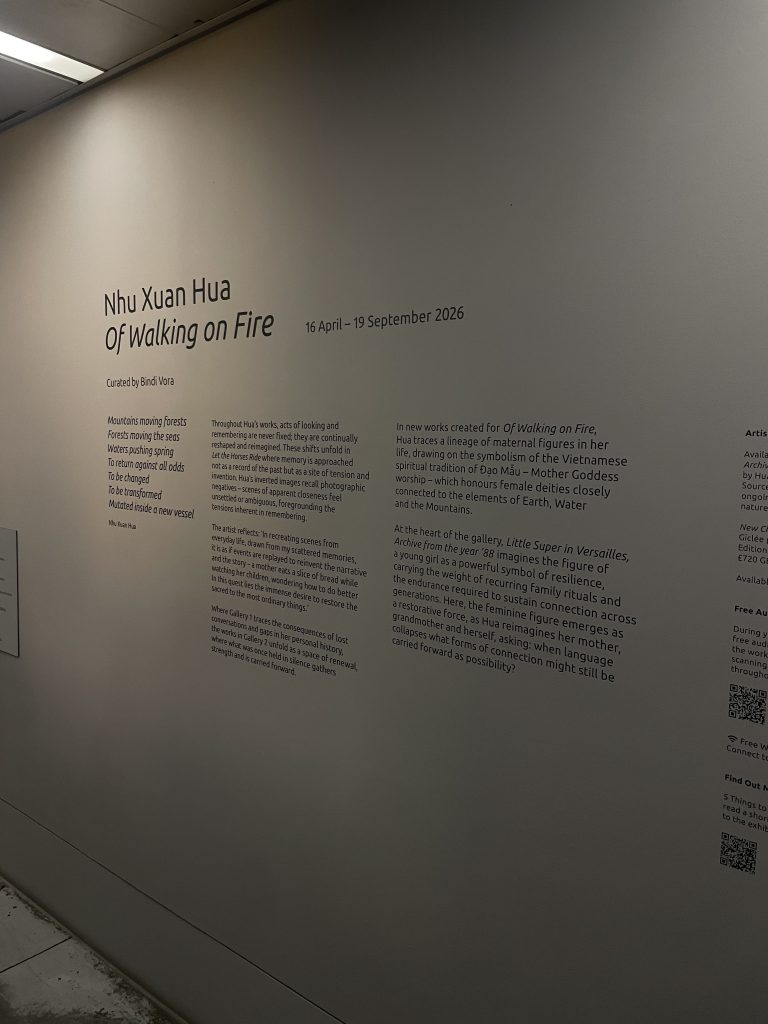
Born and raised in Paris to immigrant parents who fled Vietnam after the war, Hua grew up feeling a profound distance from her Vietnamese heritage. The exhibition explores themes of cultural loss, memory, language, and identity. What resonated with me most was how the absence of cultural connection became the starting point for her own exploration of belonging and self-understanding(Hua, N, 2026).
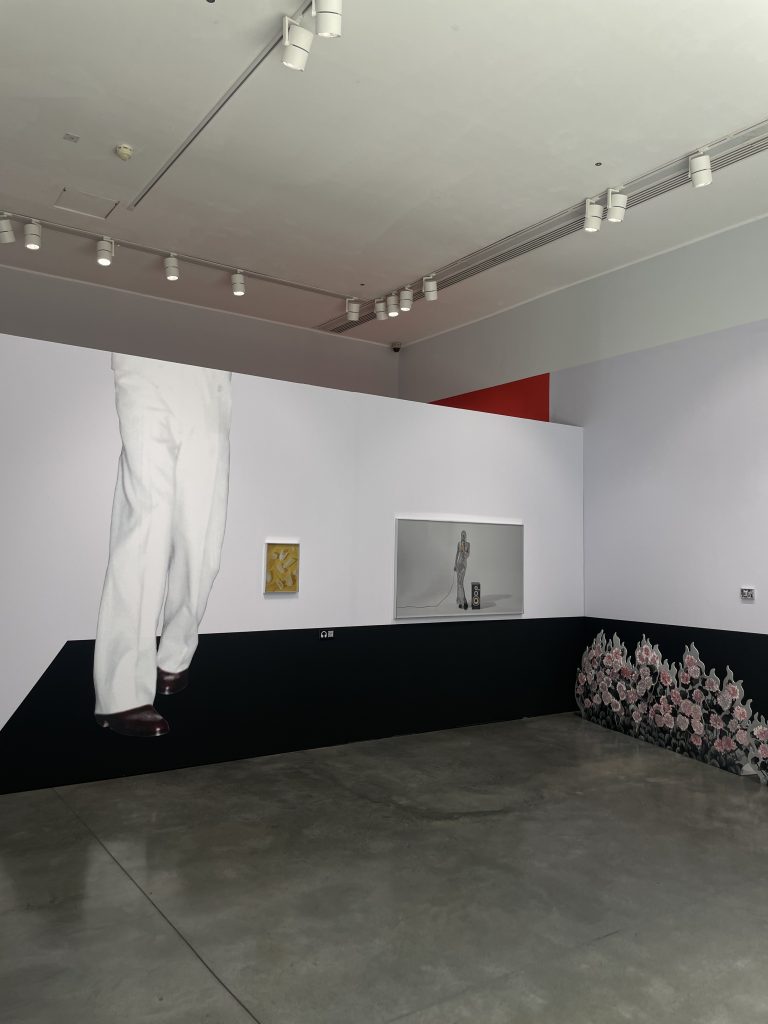
This immediately made me reflect on my own project.
One artwork in particular left a strong impression on me: a group of people gathered together in conversation, their faces deliberately erased. In that moment, it felt as though nobody knew who you were or where you came from. What brought people together was not identity, status, or background, but a shared passion and a shared culture.
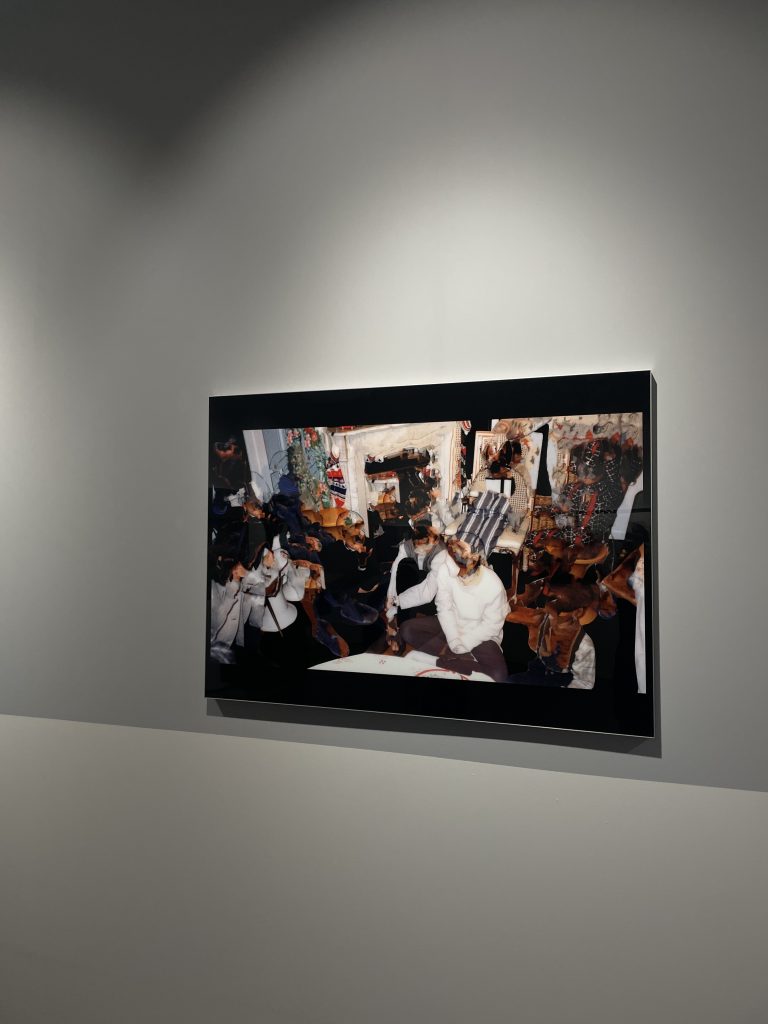
This observation connects closely to my research. Within many Chinese fashion brands, the concept of community remains relatively underdeveloped. Brands often rely on social media to create the illusion of a thriving community, measured by engagement numbers, influencer participation, and online visibility. However, the people who truly matter—the individuals who genuinely resonate with the brand’s values and aspirations—are often overlooked.
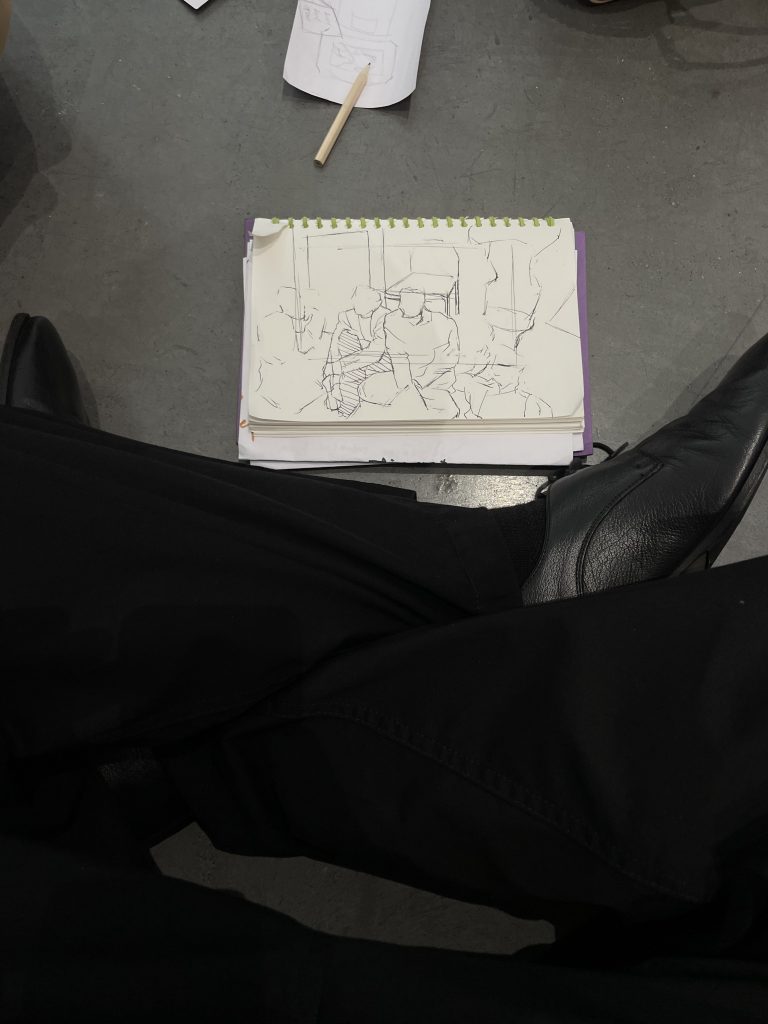
As a result, brands can lose sight of their real audience. Community culture is not defined by how many influencers attend an event, but by whether people who share the same interests, values, and ambitions can come together around a common purpose.
This has led me to a clearer understanding of my role within the project. I want to help brands create recurring cultural moments and conversations that encourage deeper exploration of fashion, creativity, and brand values. Through these activities, brands can attract and gather the people who genuinely connect with what they stand for.
Reference
Hua, N. (2026) Nhu Xuan Hua: Of walking on fire, Nhu Xuan Hua: Of Walking on Fire | Until 19 September 2026 at Autograph, London. Available at: https://autograph.org.uk/exhibitions/nhu-xuan-hua.
6.1 – 6.7
On Monday, I met with my tutor, Diana, to talk about our project progress—including mine.
From our discussion, I picked up a few key points she emphasized:
- What else going to do?
- Find out exploring, specific issue.
- Why your stakeholders need this?
- What makes this different?
- What do you want people to learn from your project?
- Your project can be continued after class.
After the meeting, I spent some time reflecting. Here’s what came to mind:
- We need a really clear title and a research-level topic that’s suitable for a master’s project.
- I need to approach the project with an exploratory mindset. It’s not about having a perfect result; it’s about taking on a challenge where you don’t know what will happen.
- It’s important to really understand the core stakeholders connected to the project.
- The upcoming interventions should show what makes our project unique.
- I need to think about the kind of impact my project could have.
- This shouldn’t just be a project for the semester—it should be something sustainable, something that can keep growing over time.
After reflecting on this, I updated my project title to:
How can Chinese fashion brands cultivate a distinctive brand culture through community building?
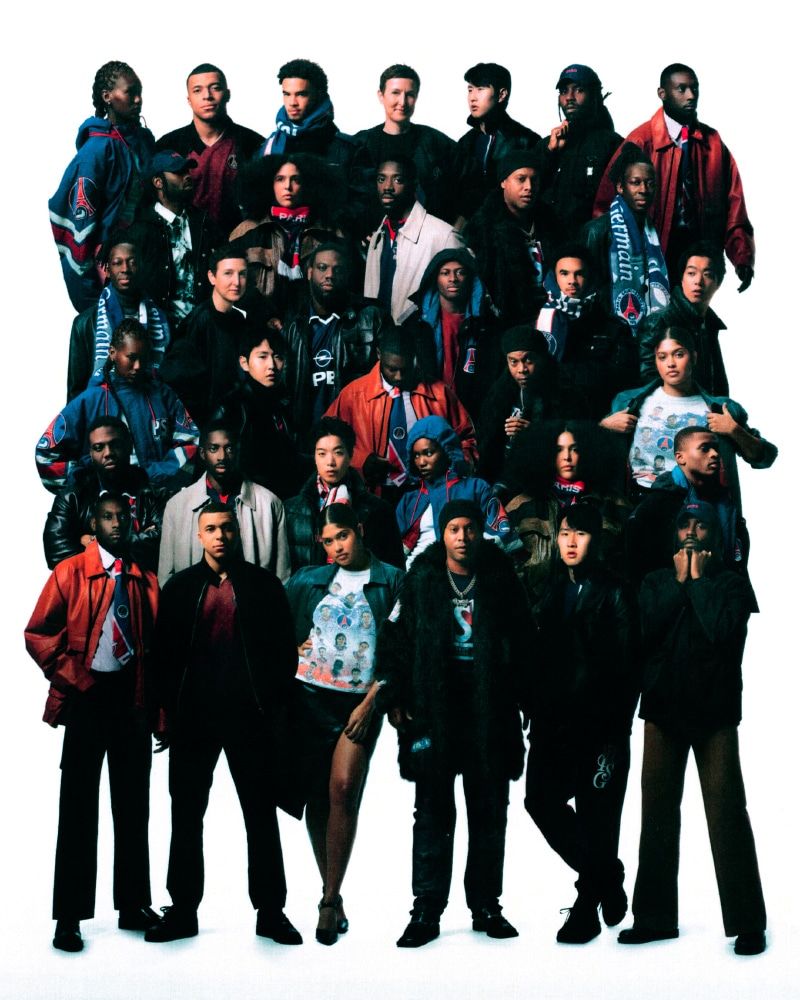
Then, on Tuesday and Wednesday, we had our visiting speaker, Dr. Margaux Portron.
She led us to think about cultural differences, which immediately made me think about my own project.
In brand communities, people come from different cultural and social backgrounds. How can we break down those barriers and help everyone feel included? That question really stuck with me.
Her interactive exercises were super inspiring. On Tuesday, we were given words from different languages and asked, as groups, to explore and freely imagine their meanings. It really made me feel how real cultural differences are.
Then on Wednesday, Dr. Margaux challenged us to think about how to address these differences.
The whole experience was really engaging, and it gave me some ideas for my own project.
Maybe I could organize a community event centered around a brand, offering specific themes or activities to actively involve my stakeholders.
Leave a Reply