10.12-10.19
During this week’s tutorial, I shared my interviews with Kofi and Mao, alongside my developing thoughts on how cross-cultural communication can support creative collaboration. Both conversations encouraged me to look more closely at how a brand’s intentions are understood and the role that communication and coordination can play in this process. George responded positively to my questions and the feedback I had gathered, but also asked what I planned to do next and when I would begin.
What stayed with me most was my tutor’s encouragement to focus on what actually happens once I connect a brand with creative partners. This made me realise that, while the interviews had given me insights into industry experience, I now needed to explore these ideas through an actual collaboration. I wanted to observe how participants communicate, make decisions and work through difficulties. To better understand the “bridge” role I had proposed, I needed to examine the support I could offer in practice.
During the session, we also discussed the value of small-scale interventions. A larger research idea can be explored through a limited test, without needing to complete an entire project at this stage. This helped me reconsider my next step. Previously, I had tended to focus on bringing a complete collaboration together. I began to consider whether I could start with one specific moment within that process, such as a discussion of a brand’s needs or a conversation around a creative proposal, to observe how a shared understanding develops and where interpretations differ.
This brought me back to something Mao had mentioned in our interview: agreeing on the same visual reference does not necessarily mean that both sides imagine the same final outcome. I hope to explore this further in practice. When a brand and a creative partner explain their understanding of the same idea, what does each focus on? What needs further explanation? Can my translation, questions and follow-up help them clarify their expectations? These are some of the questions I want to investigate through direct exchanges.
The discussion about what makes a project distinctive also encouraged me to reconsider my role. Kofi had pointed out that existing PR agencies already facilitate some international connections. I therefore need to clarify where in the collaboration my support would be useful and how it relates to existing services. The difference might lie in responding to the needs of a particular group of brands or improving an existing approach to communication, but this still needs to be explored through practice.
After the tutorial, I reflected on what was missing from my research so far. Although I had gathered views on the value of communication and coordination, I did not yet have feedback from participants on my own contribution. My next step is to select a real communication and decision-making stage within an existing brand collaboration and document what I do, how both sides respond and what becomes clearer through the exchange. Afterwards, I hope to gather participants’ feedback to understand which aspects of my support were useful and what still needs to change. When reviewing this material, I will also need to distinguish general coordination issues from the particular needs that arise in cross-cultural collaboration, so that my research remains focused.
These reflections inspired me to move my project into practice. I began by having a more in-depth conversation with ATTEMPT, with whom I had built a strong relationship through our previous community event. They expressed an interest in developing their presence overseas, which felt closely connected to my current research and opened up an opportunity to explore this together.
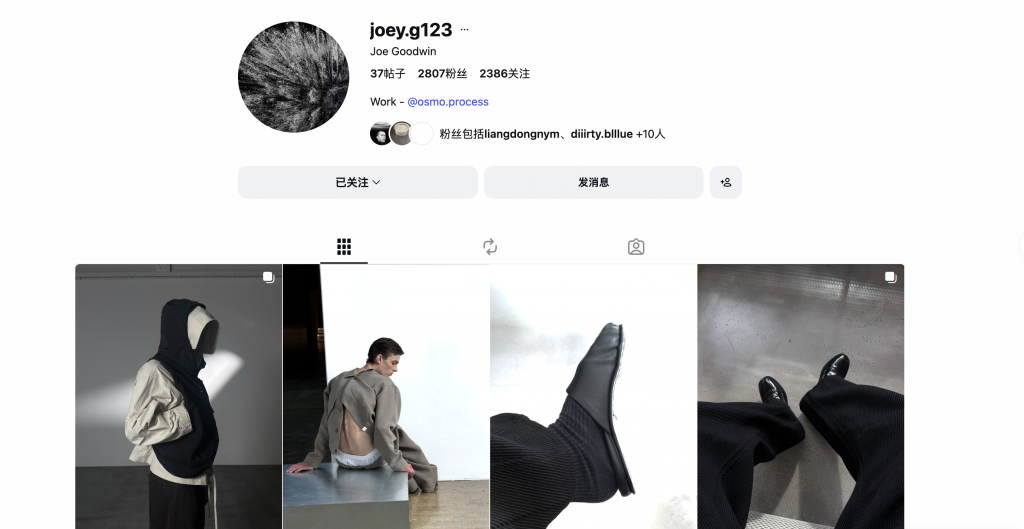
Through social media, I contacted Joe, a London-based creative who had recently started his own agency to support brand collaborations. As both sides were exploring new opportunities, I felt this could be a valuable collaboration for everyone involved. I proposed working together on an overseas campaign shoot, and Joe was enthusiastic about taking part. Following further discussions with ATTEMPT, I developed an initial project proposal.
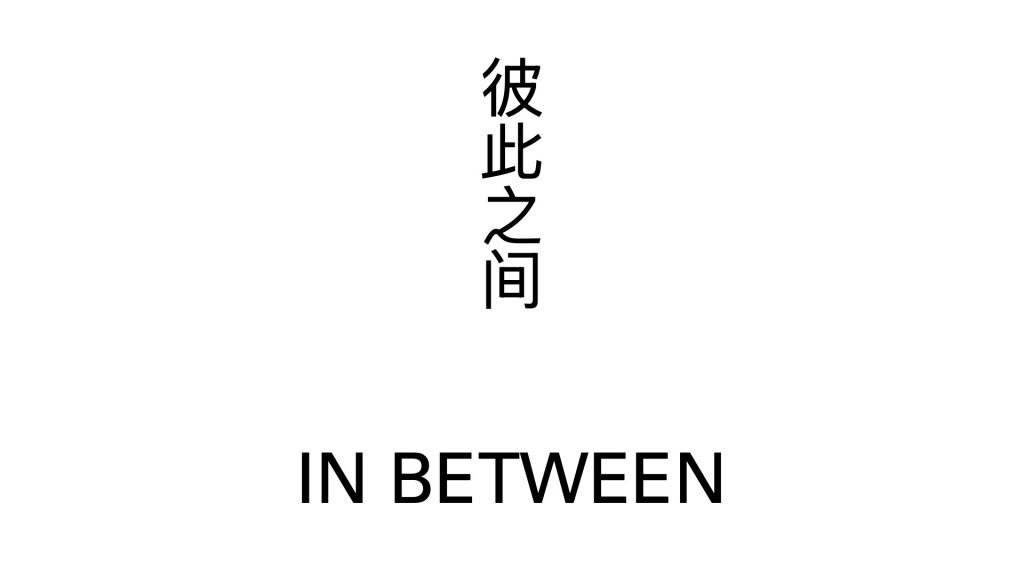
This week, Joe and I had a video call to discuss the creative direction. I proposed the theme “In Between”, reflecting the brand’s position as it moves between Wuhan and London. Drawing on the idea of balance within taiji, the concept explores how seemingly opposing influences can coexist. It also reflects the Eastern philosophy and Western avant-garde spirit within ATTEMPT’s identity.
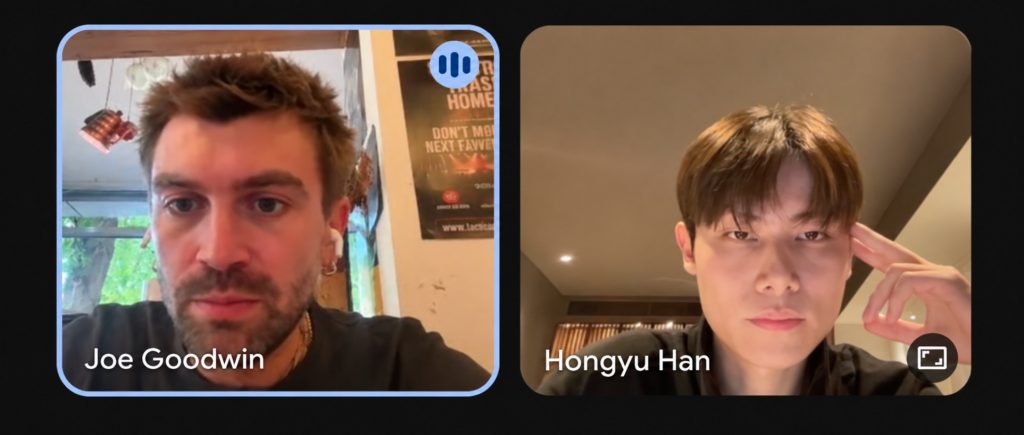
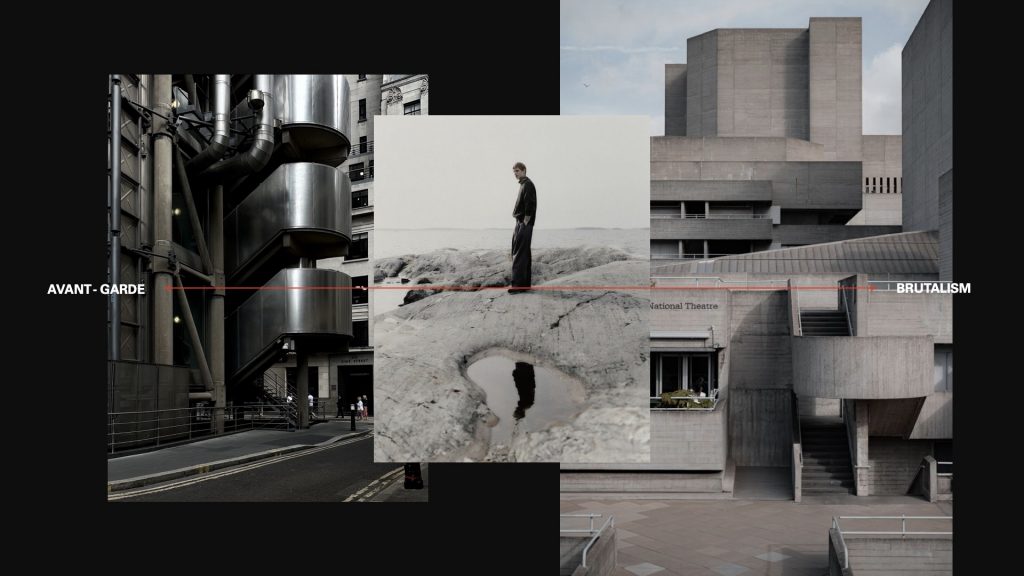
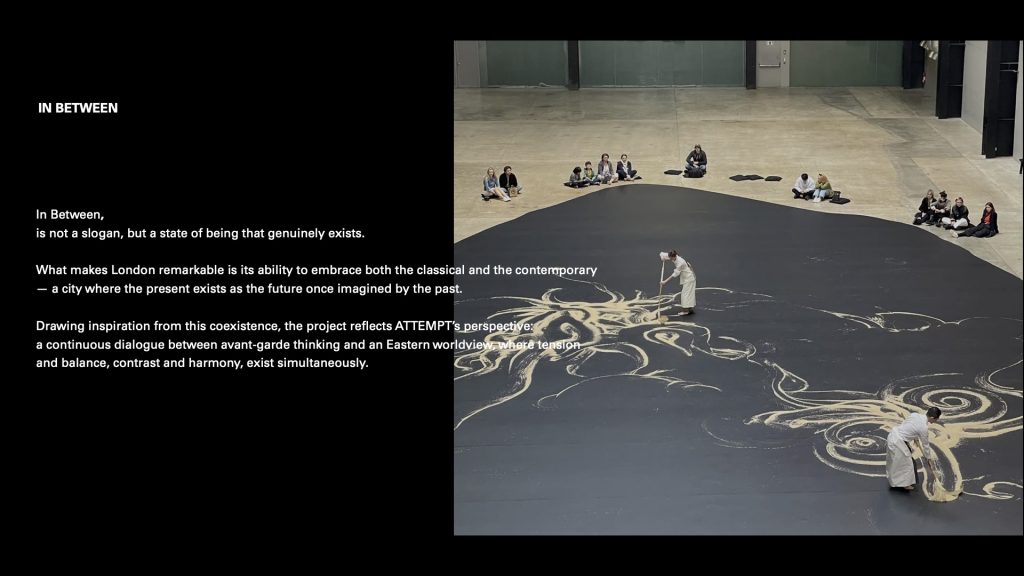
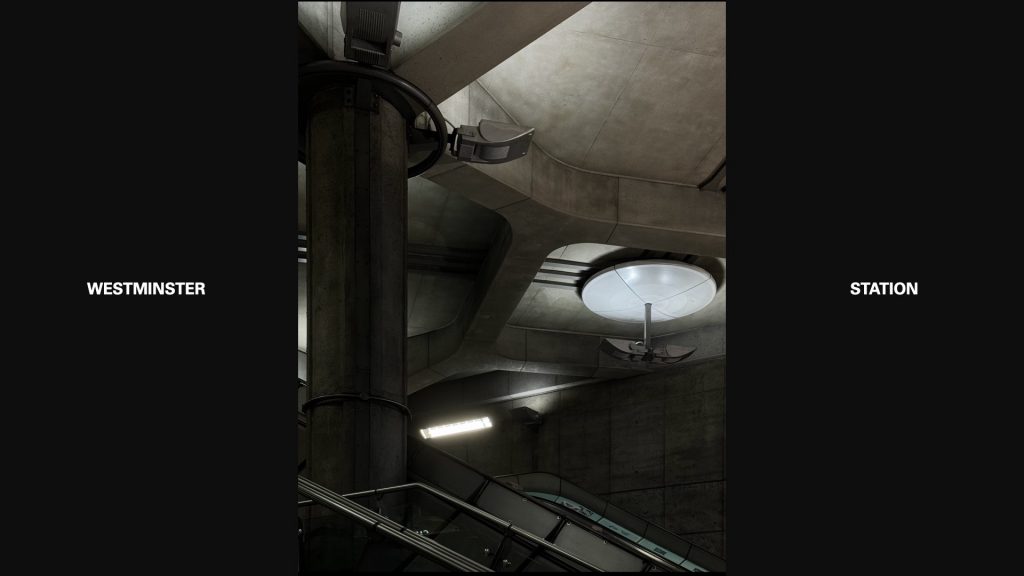
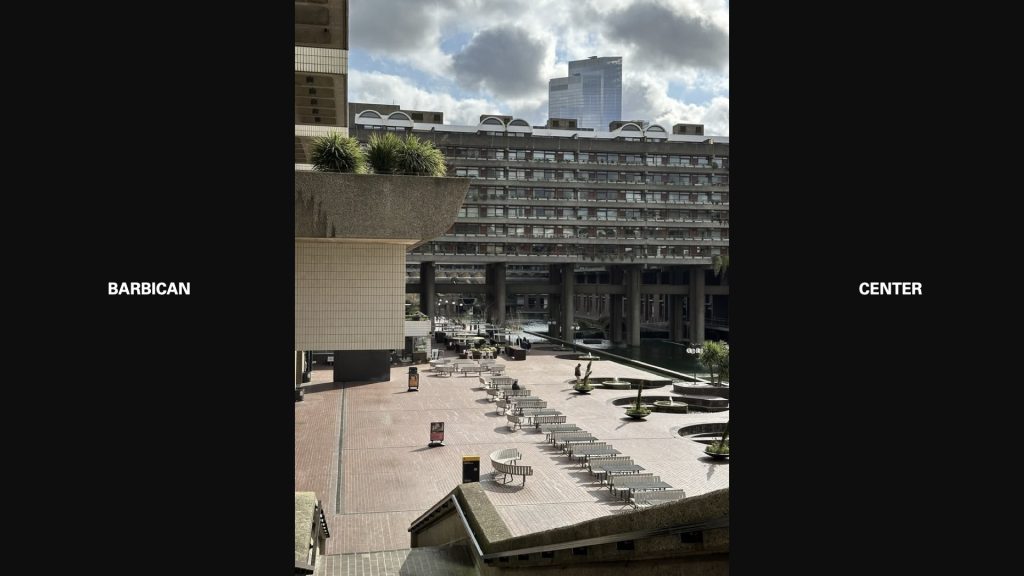
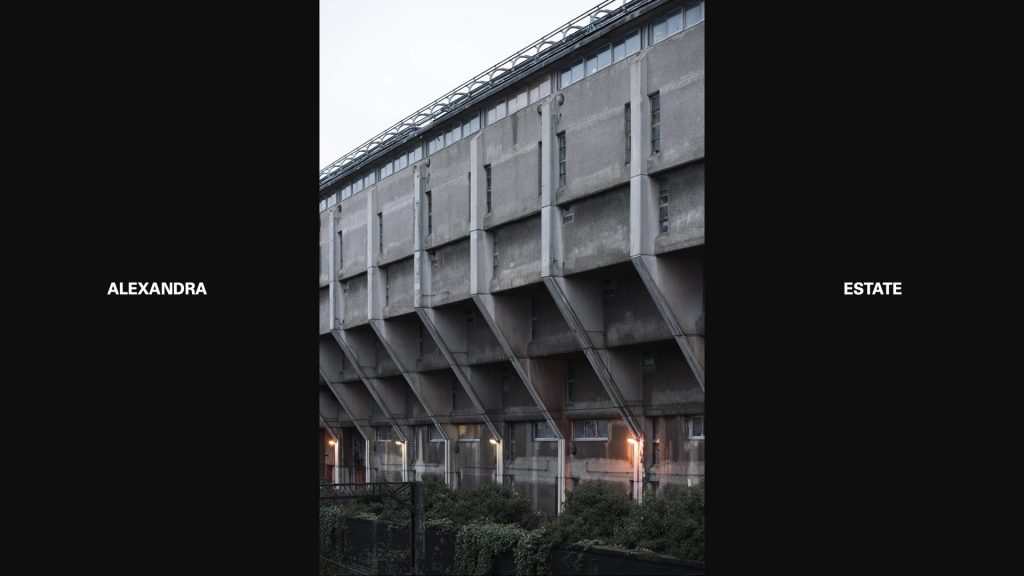
Joe responded positively to the theme, although we had different views on the location. I suggested using London’s distinctive Brutalist architecture, while Joe felt these buildings were too strongly associated with London and suggested exploring other ways to express the concept. He will share further ideas next week.
10.5-10.11
This week, I discussed my project with George, explaining that I had shifted my focus towards how cross-cultural communication can support creative collaboration. After discussing this in more depth, George was supportive of the new direction and suggested interviewing multi-brand retailers or brands relevant to my research to gather first-hand insights.
Following his advice, I interviewed Kofi from SAGE NATION to explore how cross-cultural communication can support collaboration between brands and creative partners from different cultural backgrounds. Through his experience, I hoped to better understand the support brands might need to communicate their cultural identity and build collaborative relationships.
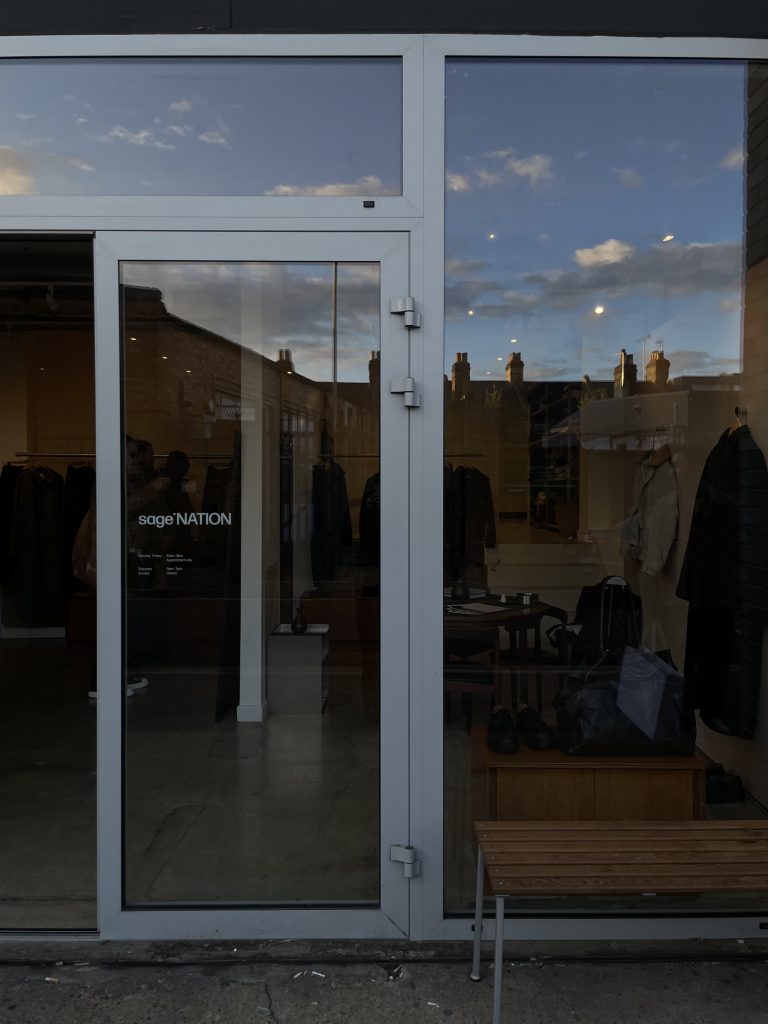
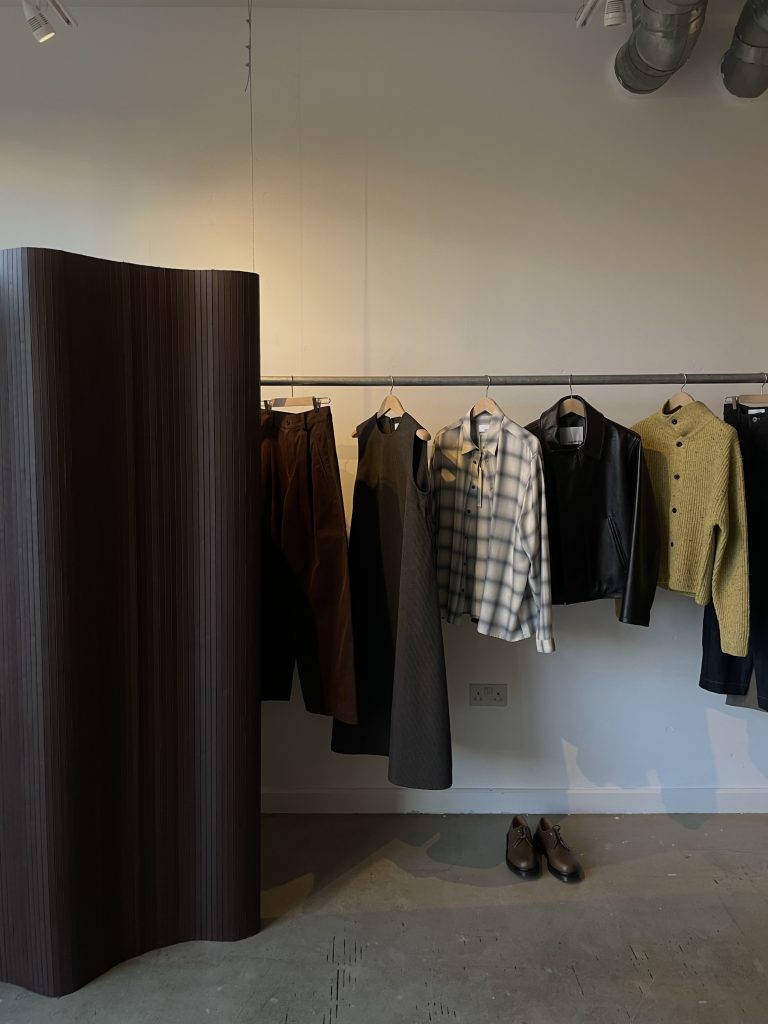
I asked him three questions:
Q1:
What do you think could help brands and international creative professionals collaborate more effectively?
Q2:
Have you or your store ever worked with fashion brands or creative professionals from different cultural backgrounds?
Q3:
What do you think are the biggest challenges when people from different cultural backgrounds work together on creative projects?
Kofi explained that multiculturalism is central to SAGE NATION’s ethos. The team brings together people from different cultural backgrounds, while the brand draws on Japanese and British cultures through the designer’s personal perspective. He described a collaboration in which shoots took place separately in Japan and the UK, with the resulting material brought together afterwards. This illustrated how contributors from different cultural backgrounds can collectively shape a brand’s narrative.
What struck me most was his observation that the greatest challenge is getting others to understand the brand. He explained that expressing multiple cultural influences through a coherent brand identity is not straightforward. Social media allows people to become familiar with a brand over time, while shops, showrooms and face-to-face conversations offer opportunities to communicate its ethos, details and craftsmanship in greater depth.
When I suggested acting as a “bridge” between brands and overseas teams, Kofi responded positively. However, he also pointed out that existing PR agencies already facilitate some of these international connections, although there is room to improve their processes. This reminded me that I need to identify precisely where my support would be useful within a collaboration and how it would relate to existing services.
This conversation encouraged me to focus more closely on how a brand comes to be understood by others. For my project, the value of two-way translation, interpreting creative ideas and ongoing coordination needs to be explored through the process of an actual collaboration.
I also interviewed Mao, who has experience managing independent brands in China, to discuss the difficulties brands encounter in international creative collaborations and the role that communication and coordination can play.
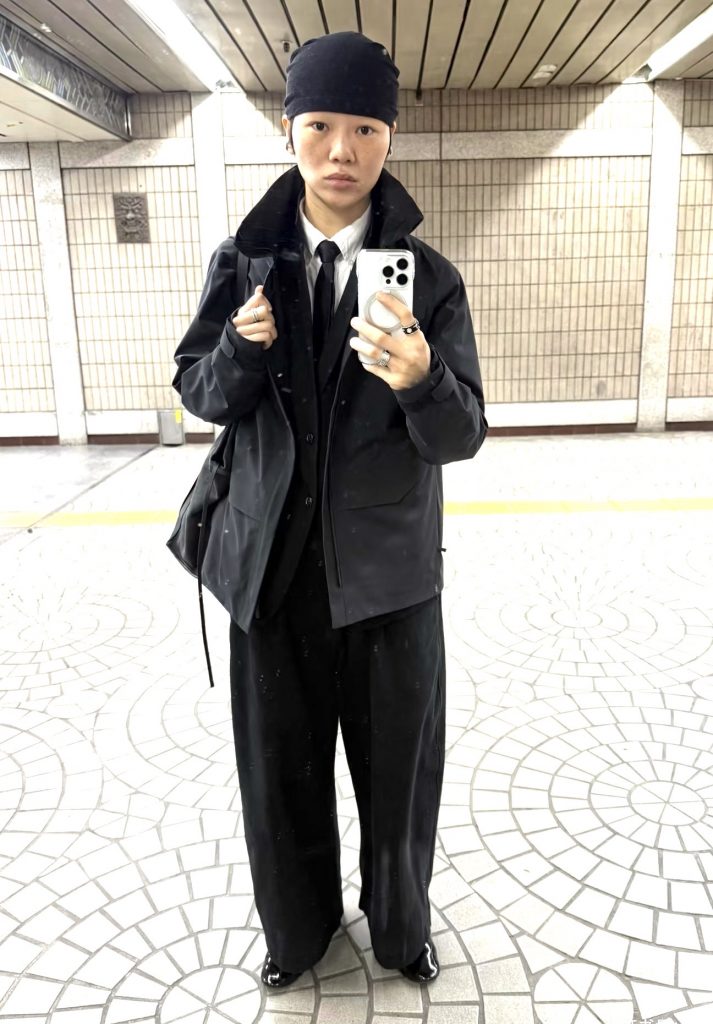
Mao emphasised that many problems arise from delays in sharing information, unclear responsibilities or insufficient coordination. International collaborations also involve differences in language, time zones, communication styles and platforms. A coordinator therefore needs to understand the project timeline and each participant’s responsibilities, while consistently following up as the work progresses.
One important insight from the interview was that agreeing on the same creative proposal or visual reference does not necessarily mean that both sides have the same understanding of the intended outcome. Drawing on his experience of shoots in China and abroad, Mao explained that even when working with skilled professionals, brands still need to take an active role in confirming details and participating in the production process to help ensure that the results align with their expectations.
Mao also recognised the value of the “bridge” role I proposed. He suggested that some emerging brands need support in making external connections, finding collaborators and establishing a clear direction for collaboration. He added that networks and resources can develop gradually through practice, while language and communication skills provide a foundation for this work.
This interview prompted me to think more carefully about how a brand’s intentions are understood and translated into practice throughout a collaboration. By documenting specific exchanges and gathering participants’ feedback during a real project, I hope to examine my role in clarifying needs, translating between both sides and helping the project move forward. I also need to distinguish general coordination issues from the particular needs that arise in cross-cultural collaboration, so that my research remains focused and clearly defined.
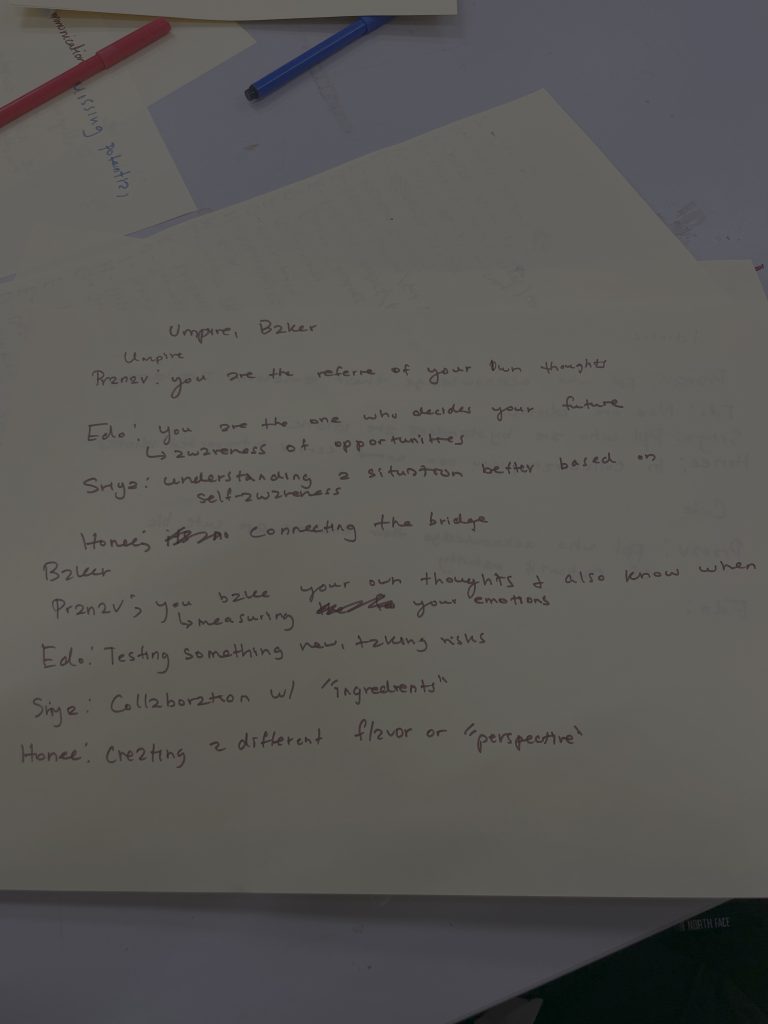
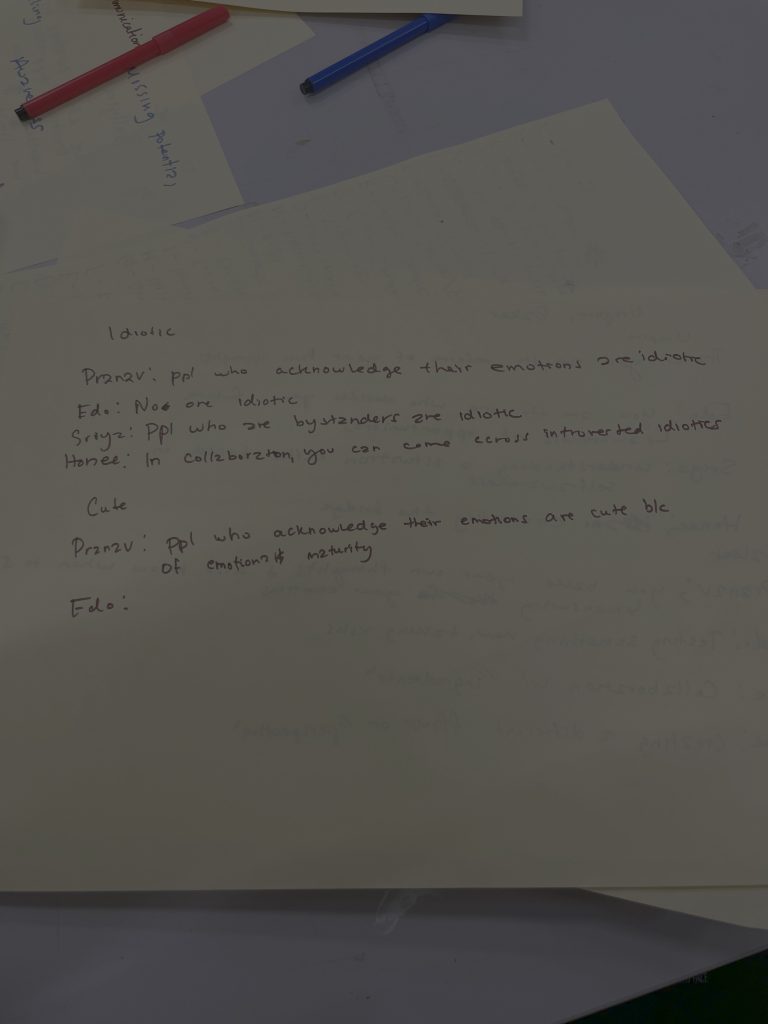
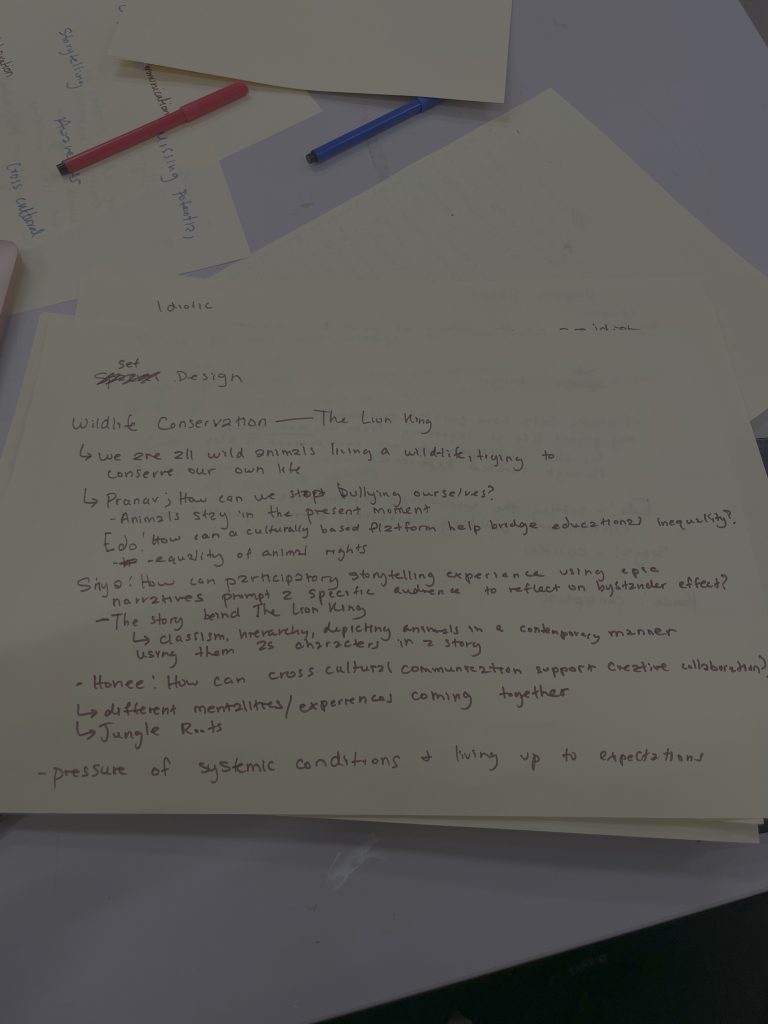
On Wednesday, our tutors asked us to broaden our thinking by generating words associated with professions, disciplines and personality traits, then using these different perspectives to describe our projects. I found this exercise particularly engaging because it encouraged me to step outside my usual patterns of thinking and see my project from fresh perspectives.
9.28-10.4
This week, I discussed my project direction with my tutor and group members. Daneil was unsure about my project title, which made me realise that I had not clearly communicated the purpose of my research. George also pointed out that the scope of my project was quite ambitious given the limited time available. His feedback encouraged me to consider a small-scale intervention that could generate quick feedback and help me test the feasibility of my ideas.
On Tuesday, we had the opportunity to speak with guest artist Heather Ackroyd. She shared insights into her artistic practice, ecological activism, community engagement and interdisciplinary collaboration, as well as how research can become an ongoing practice through what she described as “living research”.
I was particularly struck by her reflections on interdisciplinary collaboration. We asked her, “What is the most important thing when collaborating with practitioners from different fields?” Her response was:
“Listen.
Ask questions.
Don’t be too sensitive about your ideas.”
She also emphasised the importance of collaboration in her own practice:
“I could never have done this on my own.”
She recognised that many projects could not be realised alone, making collaboration an essential part of her practice. This resonated with me, as creative collaboration is central to my own project.
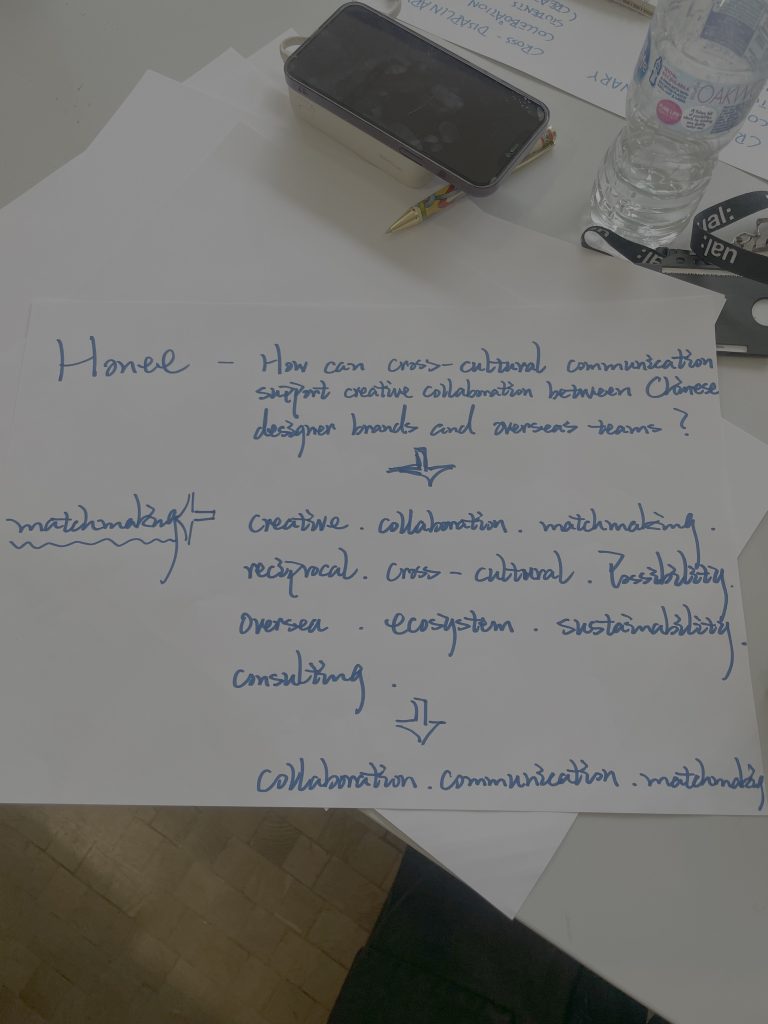
After the session, I revisited the gap I had identified and considered how my project might address it. Following my intervention in Unit 3, my research direction had become clearer: I wanted to explore how emerging Chinese brands could build creative collaborations overseas, particularly within the context of community and culture.
While reading an article titled “Cross-cultural communication in the digital age”, I found its discussion of cross-cultural collaboration particularly useful. One quotation stood out:
Ochieng and Price (2010) note that “cross-cultural communication provides the invisible glue which can hold a dislocated multicultural project team together.”
This helped me articulate what I wanted to do and identify a more achievable focus for my project. At this stage, rather than setting up an agency, I need to understand the underlying problem and define a specific area of research. With this in mind, I revised my research question to:
How can cross-cultural communication support creative collaboration between Chinese designer brands and overseas teams?
Having refined my ideas, I contacted Troan Tang, who works in brand planning at the Chinese fashion brand Marisfrolg. We have arranged a conversation for Monday at 6 pm China time to discuss the brand’s experiences of cross-cultural communication and collaboration with overseas teams. Her perspective will contribute to the expert insights informing my research.
Refrence
Lifintsev, D. and Wellbrock, W. (2019) ‘Cross-cultural communication in the digital age’, Estudos em Comunicação, 28(1), pp. 93–104. doi: 10.25768/fal.ec.n28.a05.
9.21-9.27
This week, I met with my new tutor, George, to reflect on my Unit 3 project and discuss a new direction for Unit 4.
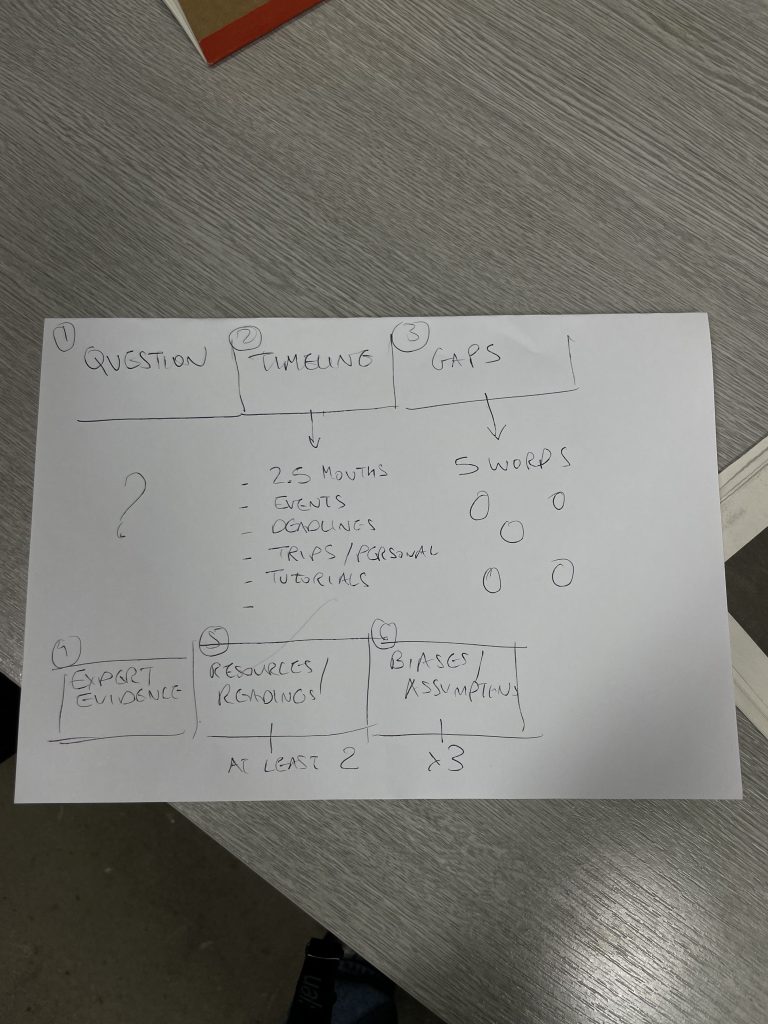
Completing my Unit 3 intervention helped me reconsider the scope of my practice. While that project focused on developing a community around one brand to strengthen its culture and value, I began to ask whether I could bring together a network of creatives to support multiple brands.
This idea was inspired by WENI, a Tokyo-based creative agency. During my work as a brand planner, I collaborated with WENI on a pop-up event and a campaign shoot in Tokyo. The experience showed me how an agency could connect a brand with local creative resources and coordinate a project in a different cultural context. It also opened up a possible direction for my own practice.
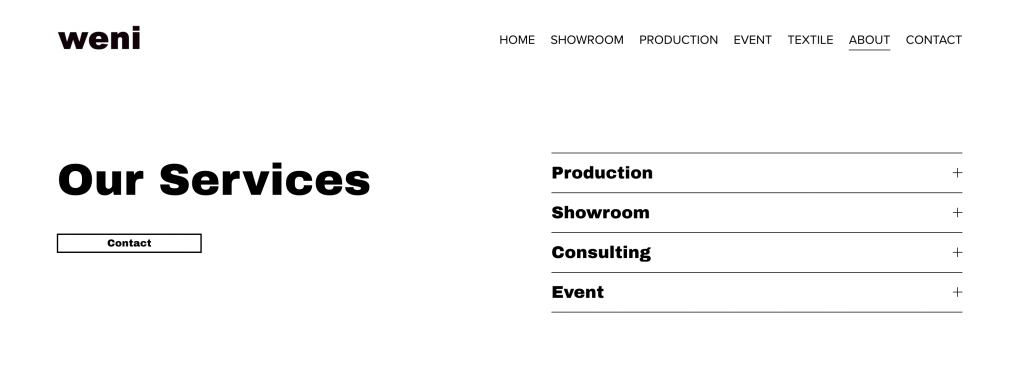
Through this experience, I identified a potential market gap: a disconnect between these brands’ ambitions to expand overseas and their access to suitable creative partners with whom they can collaborate effectively.
These brands may have a clear design identity but lack the overseas networks and local production experience needed to translate their ideas into campaigns for a new market. Even when they can connect with creatives, finding the right fit, communicating across cultures, and coordinating production may remain challenging.
My Unit 4 project will therefore explore an agency model suited to the scale and resources of emerging brands. Through understanding each brand’s identity, matching it with overseas creatives, and coordinating campaign production, I aim to explore how collaborations can deliver value for both brands and creative partners.
This led me to formulate my research question:
How can creative agencies foster reciprocal collaborations for emerging Chinese designer brands?
Alongside developing this direction, I am in contact with Joe, a London-based creative, to explore a potential collaboration on an overseas campaign shoot for ATTEMPT. If the collaboration moves forward, it will serve as an initial practical test of my research, allowing me to examine how shared goals are negotiated, how creative decisions are made, and what each participant gains from the process.
Leave a Reply